

Popular Tags
Why Most “Innovation Workshops” Produce Nothing But a Sticky-Note Wall
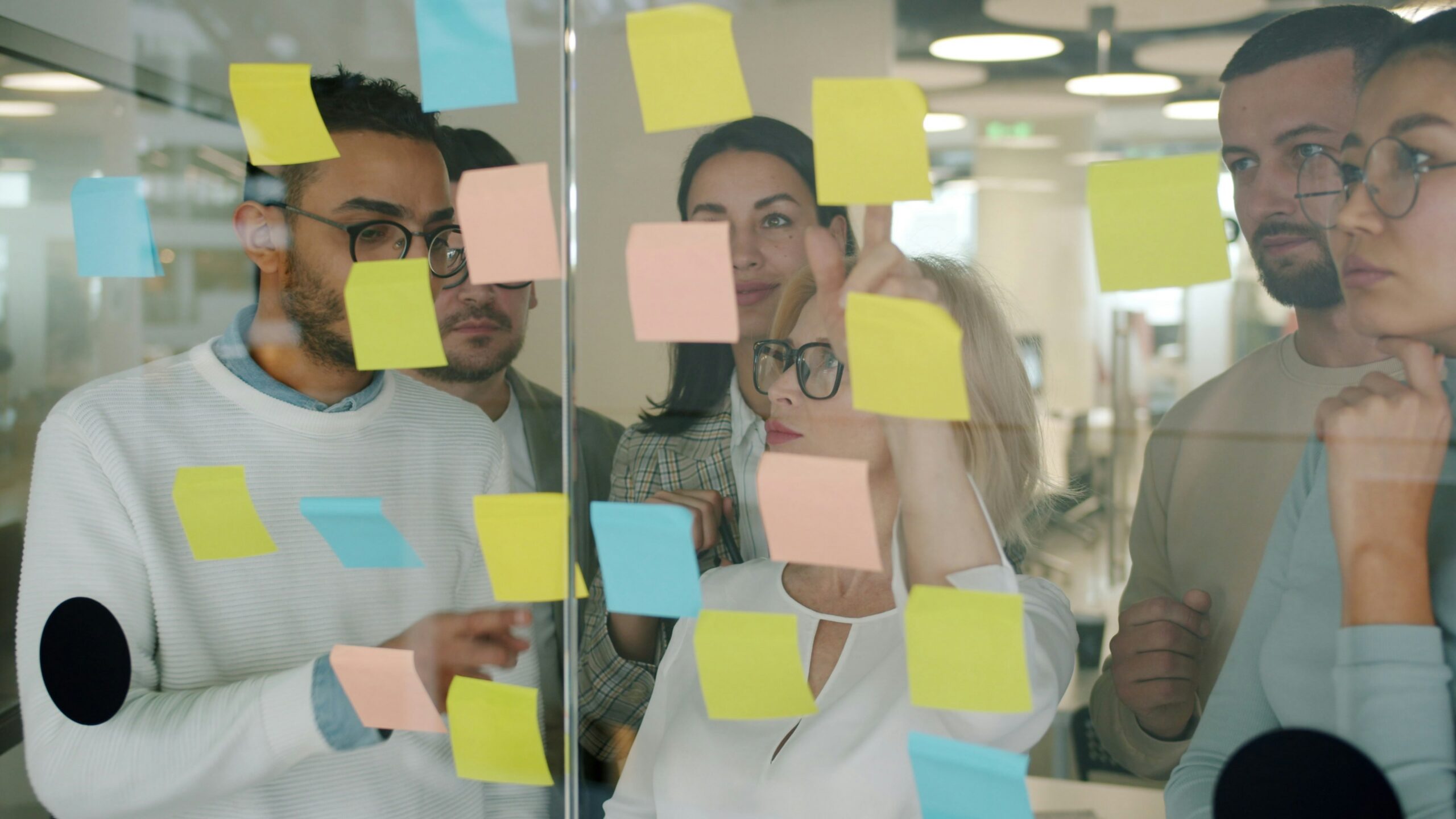
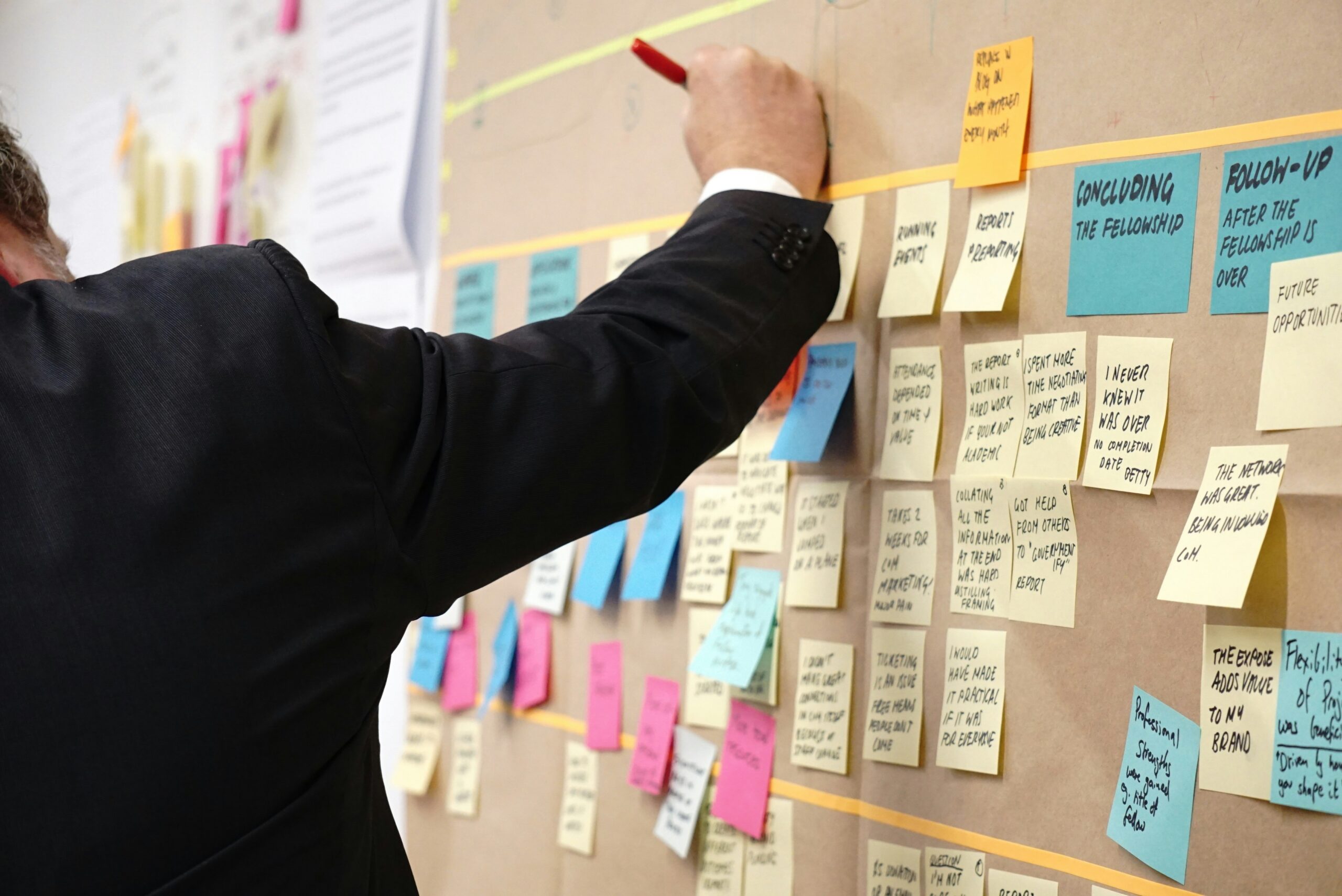
A one-day session with a facilitator, a stack of sticky notes, and a printed canvas on the wall feels like innovation happening. Three methods that regularly get borrowed for these sessions — the Business Model Canvas (Alexander Osterwalder and Yves Pigneur, 2010), the Lean Startup method (Eric Ries, 2011), and design thinking (popularized by IDEO’s Tim Brown around 2008–2009) — were never designed to be a one-day exercise. Each one assumes a cycle that runs for weeks afterward, outside the room, and skipping that cycle is why so many workshops produce a photographed wall and nothing else.
The canvas is a map of hypotheses, not an answer
Osterwalder and Pigneur’s canvas lays out nine building blocks — customer segments, value propositions, channels, customer relationships, revenue streams, key resources, key activities, key partnerships, and cost structure — so that a business model’s assumptions become visible and, crucially, falsifiable. The point of filling in the boxes is to produce a list of things to go test against real customers. A completed canvas with no testing plan attached is a nicely organized set of guesses.
Lean Startup: build-measure-learn is the whole method, not a slide
Ries’s core cycle — build a minimum viable version of the idea, measure real customer behaviour against one specific hypothesis, learn whether to persevere or pivot — is a loop that has to actually run, multiple times, with real customers, each pass narrowing the uncertainty a little further. A single workshop produces precisely zero iterations of that loop. Everything of value in the method happens after the room empties.
Design thinking’s five modes assume homework before the room
Empathize, define, ideate, prototype, test — the formulation that came out of IDEO and Stanford’s d.school — puts empathize first for a reason: it assumes real field research with actual users happened before the session, not a persona invented on the spot from the team’s own assumptions about what customers want.
What a workshop can legitimately produce
A workshop is a genuinely good venue for getting a cross-functional group to agree on which assumptions are riskiest and what, specifically, needs testing next. It is not a venue for deciding what’s actually true about customers — no amount of internal discussion substitutes for that.
The diagnostic question
After your last innovation workshop, what specific assumption did someone go test with a real customer in the two weeks that followed? If the honest answer is none, what you have on the wall is a sticky-note photograph, not an innovation process — and the canvas, the MVP, and the empathize step were never meant to end there.

Written by
Mats Kallmyr
Mats works with leaders on innovation and change, process improvement and organisational development through Capacia Group. His background spans senior roles at Saab, Ericsson, Norsk Hydro, Preem and Swedavia.